


Exploring the History of Clark Art: A Journey into Creative Expression

When I first encountered the world of Clark art, I was immediately drawn to its unique blend of emotion, nature, and abstract realism. It felt like stepping into a space where creativity and self-discovery intertwined beautifully. Over time, I realized that understanding the history of Clark art not only deepened my appreciation but also opened new doors for personal growth and artistic inspiration. Today, I want to share this journey with you, hoping it sparks your own connection to this captivating art form.
The History of Clark Art: Roots and Evolution
The history of Clark art is a fascinating tale of artistic exploration and emotional depth. It began as a movement that sought to bridge the gap between abstract expression and realistic representation. Artists involved in this style aimed to capture the essence of their subjects while allowing room for personal interpretation and emotional resonance.
What makes this history so compelling is how it reflects a broader human experience. The artists behind Clark art were not just painters or sculptors; they were storytellers who used their mediums to explore identity, nature, and the subconscious. This blend of realism and abstraction invites viewers to engage actively with the artwork, encouraging them to find their own meanings and connections.
Over the decades, Clark art has evolved, embracing new techniques and perspectives. Yet, it has maintained its core philosophy: art as a transformative experience. This history is not just about dates or famous works; it’s about the ongoing dialogue between artist, artwork, and audience.
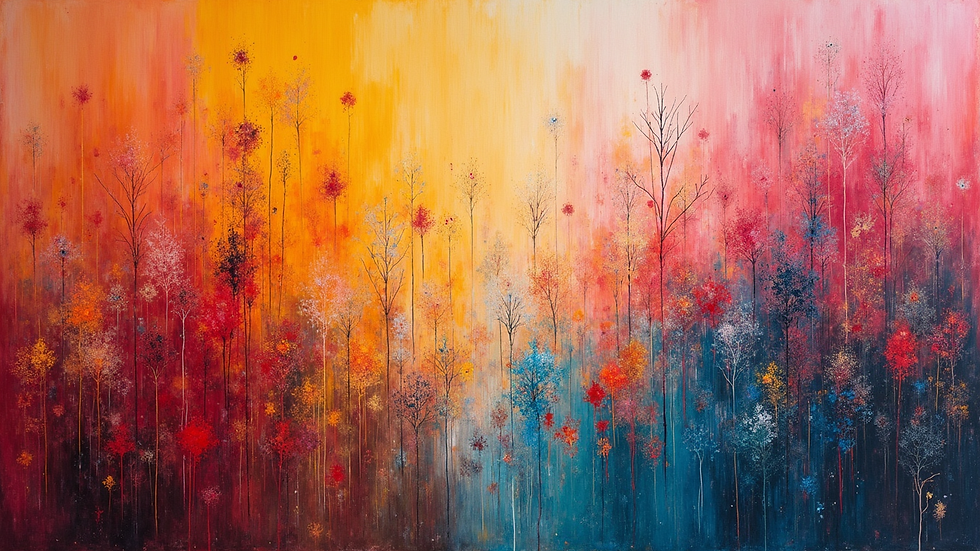
Who was the artist called Clark?
Understanding the history of Clark art would be incomplete without knowing about the artist who inspired the movement. Clark was a visionary whose work transcended traditional boundaries. His approach combined meticulous attention to detail with a free-flowing, almost dreamlike quality.
Clark’s background was deeply rooted in nature and personal reflection. He often drew inspiration from landscapes, flora, and the subtle interplay of light and shadow. His art was a mirror of his inner world, inviting viewers to explore their own feelings and memories.
What I find most inspiring about Clark is his commitment to authenticity. He didn’t just paint what he saw; he painted what he felt. This emotional honesty is what gives Clark art its enduring power. It’s a reminder that art is not just about technique but about connection and expression.
Clark’s legacy lives on through the artists who continue to explore these themes, pushing the boundaries of abstract realism while honoring the spirit of his work.
The Transformative Power of Clark Art in Creative Self-Discovery
One of the most beautiful aspects of Clark art is its ability to foster creative self-discovery. When I engage with these artworks, I feel a gentle invitation to look inward, to explore my emotions and thoughts in a safe and inspiring space.
This art form encourages us to slow down and observe not just the image but our reactions to it. What feelings arise? What memories surface? This process can be deeply grounding, especially in a world that often feels rushed and disconnected.
For those seeking to explore their creativity, Clark art offers practical inspiration. Here are a few ways to engage with it:
Create your own abstract realism pieces: Start with a natural subject, like a leaf or a landscape, and experiment with blending realistic details and abstract shapes.
Use art as a journaling tool: Reflect on your emotions by painting or drawing what you feel rather than what you see.
Join workshops or art groups: Sharing your creative process with others can deepen your understanding and provide new perspectives.
By embracing the spirit of Clark art, you can unlock new pathways to self-expression and personal growth.

How Clark Art Connects Us to Nature
Nature is a constant muse in Clark art. The movement’s emphasis on natural forms and organic textures creates a powerful connection between the viewer and the environment. This connection is more than aesthetic; it’s a reminder of our place within the natural world.
When I look at Clark art, I often feel transported to quiet forests, gentle streams, or sunlit meadows. The art captures not just the physical beauty but the essence of these places - their tranquility, mystery, and vitality.
This connection to nature can be incredibly healing. It encourages mindfulness and presence, helping us to appreciate the small wonders around us. For those who love the outdoors, Clark art offers a way to bring that love into their daily lives, even when they can’t be outside.
If you want to deepen your connection to nature through art, consider these ideas:
Collect natural materials like leaves, bark, or stones to use in your artwork.
Spend time observing natural details and try to capture them in sketches or paintings.
Create art outdoors to immerse yourself fully in the environment.
Clark art reminds us that nature and creativity are deeply intertwined, each nourishing the other.
Bringing Clark Art into Your Life and Space
Incorporating Clark art into your living or working space can transform the atmosphere and inspire daily creativity. I’ve found that having pieces that reflect this style encourages a calm, reflective mood and sparks new ideas.
Whether you choose original artworks, prints, or commissioned pieces, the key is to select works that resonate with you personally. Look for colors, shapes, and themes that evoke positive feelings or memories.
Here are some tips for integrating Clark art into your environment:
Choose a focal point: A large painting or sculpture can serve as a centerpiece that draws attention and sets the tone.
Mix with natural elements: Pair artworks with plants, wood, or stone to enhance the connection to nature.
Create a dedicated creative space: Surround yourself with inspiring art to encourage your own artistic practice.
Rotate pieces seasonally: Changing your art with the seasons can keep your space feeling fresh and aligned with nature’s rhythms.
By thoughtfully bringing Clark art into your surroundings, you create a sanctuary for creativity and self-discovery.
Exploring the history and significance of clark art has been a rewarding journey for me. It’s a reminder that art is not just something to observe but something to experience deeply. Whether through creating, viewing, or living with this art, we open ourselves to new insights and connections. I hope this exploration inspires you to discover your own path with Clark art and the transformative power it holds.


Comments