


Mastering Online Abstract Art Lessons: A Journey into Creative Freedom
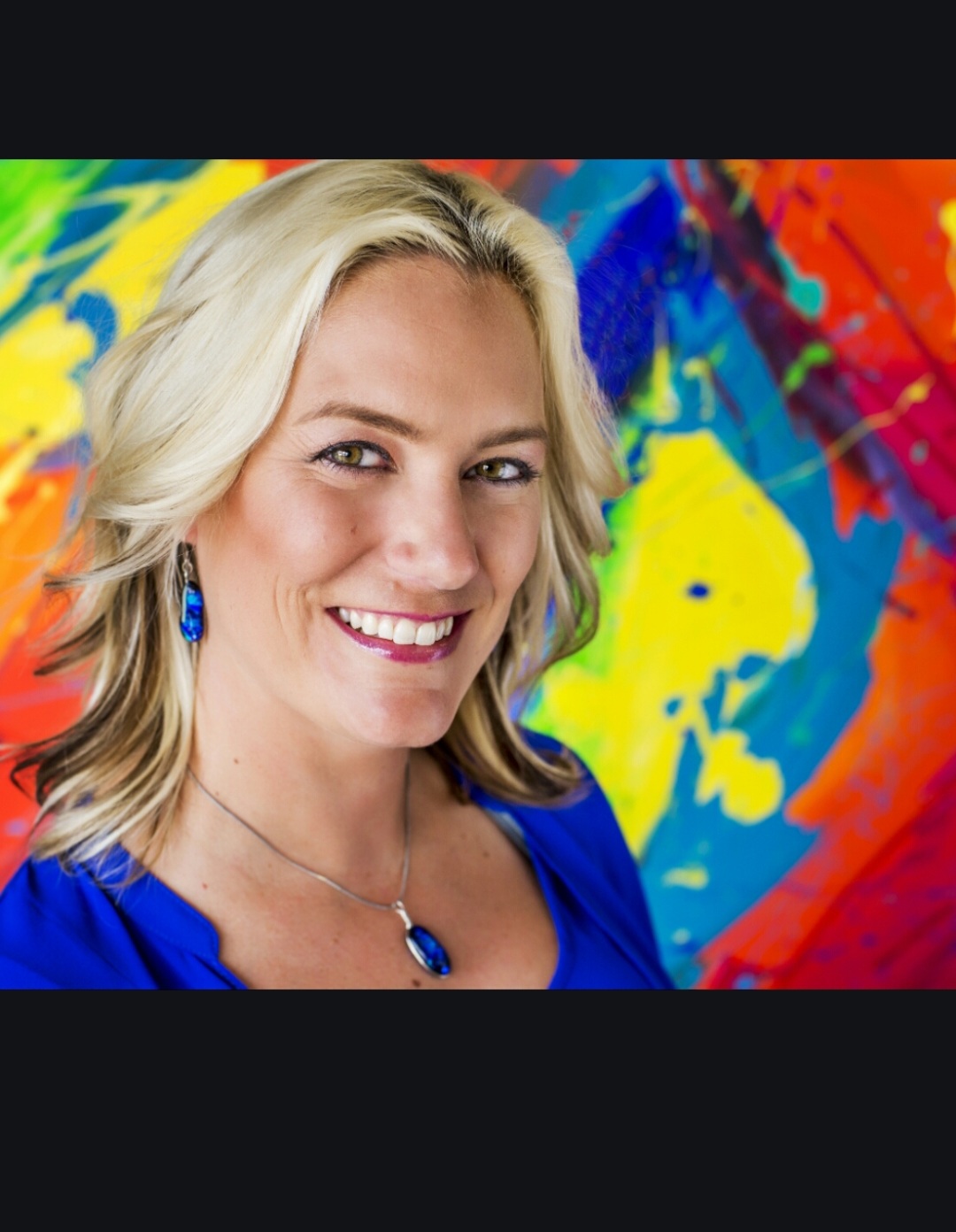
Diving into the world of abstract art can feel like stepping into a vast, colorful ocean without a map. I remember the first time I tried to express myself through abstract forms - it was both thrilling and a little intimidating. But with the right guidance, patience, and practice, abstract art becomes a beautiful language of emotions and ideas. Today, I want to share how mastering online abstract art lessons can open doors to this expressive world, helping you find your unique artistic voice.
Embracing Creativity with Online Abstract Art Lessons
Learning abstract art online has been a game-changer for me. The flexibility to explore techniques at my own pace, combined with access to diverse teaching styles, made the process enjoyable and deeply personal. Whether you’re a beginner or looking to refine your skills, online abstract art lessons offer a treasure trove of resources.
One of the best parts is the variety of courses available. Some focus on color theory, others on brushwork or composition. You can find lessons that encourage experimentation with different mediums like acrylics, oils, or mixed media. This variety helps you discover what resonates most with your creative spirit.
Here are a few tips to make the most of your online abstract art journey:
Set a comfortable workspace where you can freely create without distractions.
Schedule regular practice sessions to build momentum and confidence.
Engage with online art communities to share your work and gain feedback.
Keep a journal to note down ideas, inspirations, and progress.
By embracing these habits, you’ll find that your art evolves naturally, reflecting your inner world more vividly.

What are the 5 stages of abstraction?
Understanding the stages of abstraction can help demystify the process and give you a clear path to follow. Here’s a breakdown of the five stages that many artists experience:
Observation - This is where you start by closely observing your subject, whether it’s a landscape, an object, or an emotion. The goal is to absorb details without judgment.
Simplification - Begin to reduce the complexity of the subject. Focus on shapes, colors, and forms rather than realistic details.
Distortion - Play with proportions, angles, and perspectives. This stage encourages breaking away from reality to express feelings or ideas.
Symbolism - Introduce symbols or motifs that represent deeper meanings or personal significance.
Expression - The final stage is about letting your intuition guide the brush. It’s where your unique style and voice emerge fully.
Each stage builds on the previous one, allowing you to gradually let go of literal representation and embrace abstraction. Reflecting on these stages during your practice can help you stay focused and inspired.
Tools and Techniques to Explore in Abstract Art
One of the joys of abstract art is the freedom to experiment with tools and techniques. I’ve found that trying new methods often leads to unexpected and exciting results. Here are some techniques worth exploring:
Layering: Build depth by applying multiple layers of paint. Use different colors and textures to create complexity.
Dripping and splattering: These spontaneous techniques add energy and movement to your work.
Palette knife painting: Instead of brushes, use a palette knife to apply thick, textured strokes.
Mixed media: Combine paint with materials like paper, fabric, or sand for tactile interest.
Color blocking: Use bold, contrasting blocks of color to create striking compositions.
Don’t hesitate to mix and match these techniques. The key is to stay curious and open to what emerges on your canvas.

Finding Inspiration and Staying Motivated
Inspiration can come from anywhere - nature, music, emotions, or even everyday objects. I often find that stepping outside for a walk or simply observing the changing light sparks new ideas. Keeping a sketchbook or digital folder of inspiring images and color palettes also helps when I feel stuck.
Staying motivated is sometimes the hardest part. When I hit a creative block, I remind myself that every stroke, even the imperfect ones, is part of the journey. Setting small goals, like completing a painting in a week or trying a new technique, keeps the momentum going.
Joining online workshops or challenges can also provide structure and community support. Sharing your progress and seeing others’ work is incredibly encouraging.
Bringing It All Together: Your Artistic Journey
Mastering abstract art is not about perfection but about discovery and expression. Through abstract art lessons online, you can access expert guidance while nurturing your personal style. Remember, every artist’s path is unique, and the most important thing is to enjoy the process.
As you continue exploring, you’ll notice how abstract art becomes a form of meditation and self-discovery. It grounds you in the present moment and connects you to your inner world. Whether you create for yourself or to share with others, your art holds the power to inspire and transform.
I encourage you to take that first step today. Set up your space, pick up your brushes, and let your imagination soar. The world of abstract art is waiting for your voice.
Happy painting!


Comments